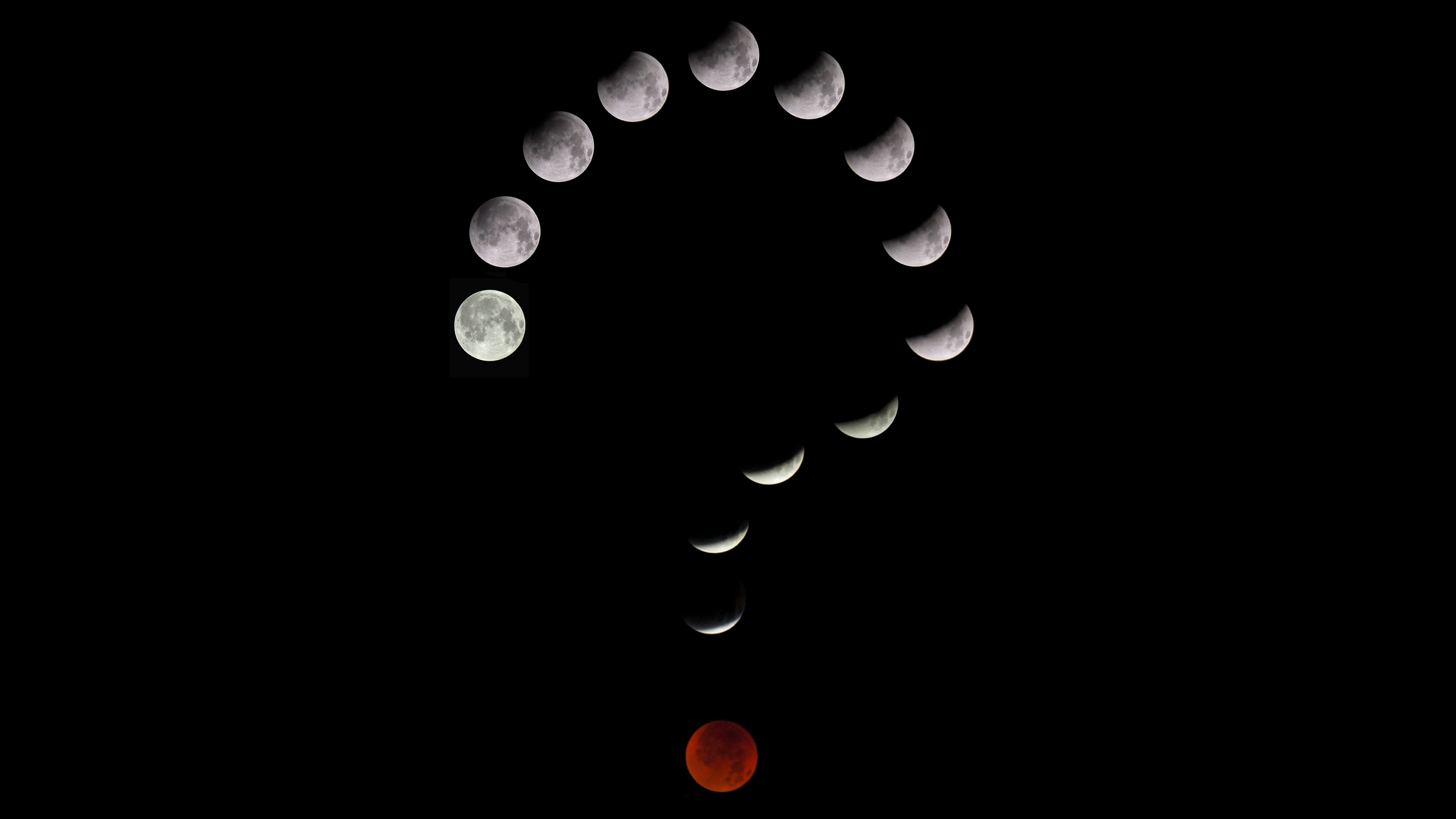
The Moon is slowly becoming observable once more, indicating the beginning of a new lunar cycle. It will increase in size and brightness each evening as we near the upcoming Full Moon.
What is the moon phase today?
On Sunday, Dec. 21, the moon phase is Waxing Crescent (in the U.S.). As per NASA’s Daily Moon Observation, 2% of the moon will be illuminated tonight. With such a minor fraction lit, there remains nothing visible on its surface this evening.
When will the next full moon be?
The next full moon is set to take place on Jan. 3. The previous full moon occurred on Dec. 4.
What are the phases of the moon?
Nasa states that the Moon requires approximately 29.5 days to finish one complete cycle, referred to as the lunar cycle. Throughout this time, it experiences a range of phases while orbiting Earth. Even though the same side of the Moon consistently faces us, the amount of sunlight reflecting off its surface changes, making it look fully lit, partially lit, or entirely dark at various points during the cycle. This progression is categorized into eight principal lunar phases:
New Moon – The moon is positioned between Earth and the sun, rendering the side we observe dark (invisible to our eyes).
Waxing Crescent – A small sliver of brightness appears on the right side (Northern Hemisphere).
First Quarter – The right side of the moon is illuminated, creating the appearance of a half-moon.
Waxing Gibbous – More than half is lit, although it is not completely full yet.
Full Moon – The entirety of the moon’s face is lit and completely visible.
Waning Gibbous – The moon begins to lose illumination on the right side (Northern Hemisphere).
Third Quarter (or Last Quarter) – Another half-moon, but this time the left side is illuminated.
Waning Crescent – A narrow sliver of light remains on the left side before it becomes dark again.