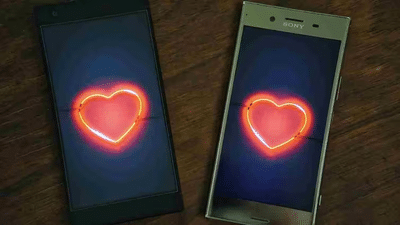
The year characterized by frustration and sensationalism is coming to a close, and many singles may find those terms applicable to their dating experiences in 2025 as well. Halfway through the year, daters conveyed their exhaustion with dating apps to Mashable, expressing a desire to meet people face-to-face but feeling uncertain about how to do so. Meanwhile, others opted for AI to handle their dating lives or decided to “marry” an AI instead.
In light of such a tumultuous year, we’ve pinpointed five ways dating transformed in 2025 — perhaps permanently.
AI permeates the dating scene
Dating applications had already begun integrating AI before this year, but in 2025, AI-enhanced features surged in popularity. Despite Mashable’s February inquiry about whether AI could revitalize dating apps — and highlighting potential downsides — apps persist in allocating resources towards these advancements. Tinder revealed it’s piloting an AI matchmaker named Chemistry, while Hinge introduced AI-driven conversation starters in December. The founder of Hinge also declared his intention to leave and create an AI dating service called Overtone.
Daters are also diving into the AI trend themselves. Match disclosed that 300 percent more singles are utilizing AI for dating in 2025 compared to 2024. Hinge shared that while its users are yearning for profound connections, some are leveraging technology to find companionship as well.
Don’t assume AI usage halts once you meet that special person: Some engaged pairs are currently turning to ChatGPT for wedding planning. And that’s if they’re marrying another human. This year saw a rise in people forming relationships with chatbots. A survey found that eight out of ten individuals in Gen Z would consider marrying an AI.
We’ve lost interest in the apps
Dating applications have diminished in attractiveness over the past year. Seventy-eight percent of all dating app participants reported feeling fatigued, as per a 2025 Forbes Health report. Dating platforms are witnessing a loss of users, with Ofcom statistics indicating a gradual downturn across all primary apps, particularly among female users. Participants feel the apps are ineffective, spending excessive time swiping for limited matches, with minimal engagement in conversations.
This year marked the emergence of “offline dating,” previously just known as “dating.” As individuals grew disenchanted with the apps, they ventured outdoors and engaged with the real world. People attended singles’ events at bars, bookstores, running clubs, art schools, and even sandwich shops. Farewell dating apps, hello charming meet-cutes and delightful in-person encounters.
Boyfriends are officially out of style
Is having a boyfriend now seen as embarrassing? It certainly seems that way, according to a viral British Vogue piece by Chanté Joseph, which questions whether it’s currently deemed uncool to share about one’s boyfriend. Posting a photo with the caption “boy did good”? Gone. Not just gone, but considered utterly uncool.
Women are shifting their focus away from relationships in their lives. They are romanticizing friendships, prioritizing joy, celebrating camaraderie, nurturing their inner selves, unlearning patriarchal perspectives, and embracing greater self-fulfillment. Being single symbolizes strength, autonomy, and personal achievement. Relationships no longer carry the social importance they once did. There’s simply more captivating activity happening!
Increased surveillance by governments — and one another
2025 ushered in more global age-verification regulations. These laws typically mandate the submission of personal information, such as a government-issued ID or a facial recognition scan, to access websites containing adult content.
Dating apps are not exempt from this trend. Earlier this year, prominent apps like Hinge and Tinder instituted age verification due to the UK’s Online Safety Act. Tinder has gone a step further by mandating a facial scan for all new users in the United States, following a trial in California.
As dating apps confront security challenges, they are enforcing stricter criteria on who can register and the data needed to swipe.
Surveillance is also on the rise among daters themselves. Private Facebook groups like “Are We Dating the Same Guy?” continue to expand, while a significant controversy this year revolved around the leak of the Tea app. On Tea, women shared their experiences with particular men, and a cyberattack compromised users’ photos and IDs.
These platforms have “ushered in a new era of dating with evidence.”
Cost of living impacts our romantic lives more than ever
The global cost of living has escalated in recent years. In the U.S., tariffs imposed by the Trump administration have sparked concerns over rising prices, which are indeed materializing in some areas.
Salaries are not keeping pace, and we are navigating a tough job market where recent graduates might be replaced by AI. Consequently, people, particularly younger adults, are experiencing diminished discretionary income.
This affects dating. Mashable has highlighted the influence of cost of living on relationships for years, but in 2025, it has become more pronounced than ever. In September, 28 percent of men expressed a preference for dating an AI over remaining single due to the financial burden of dating.