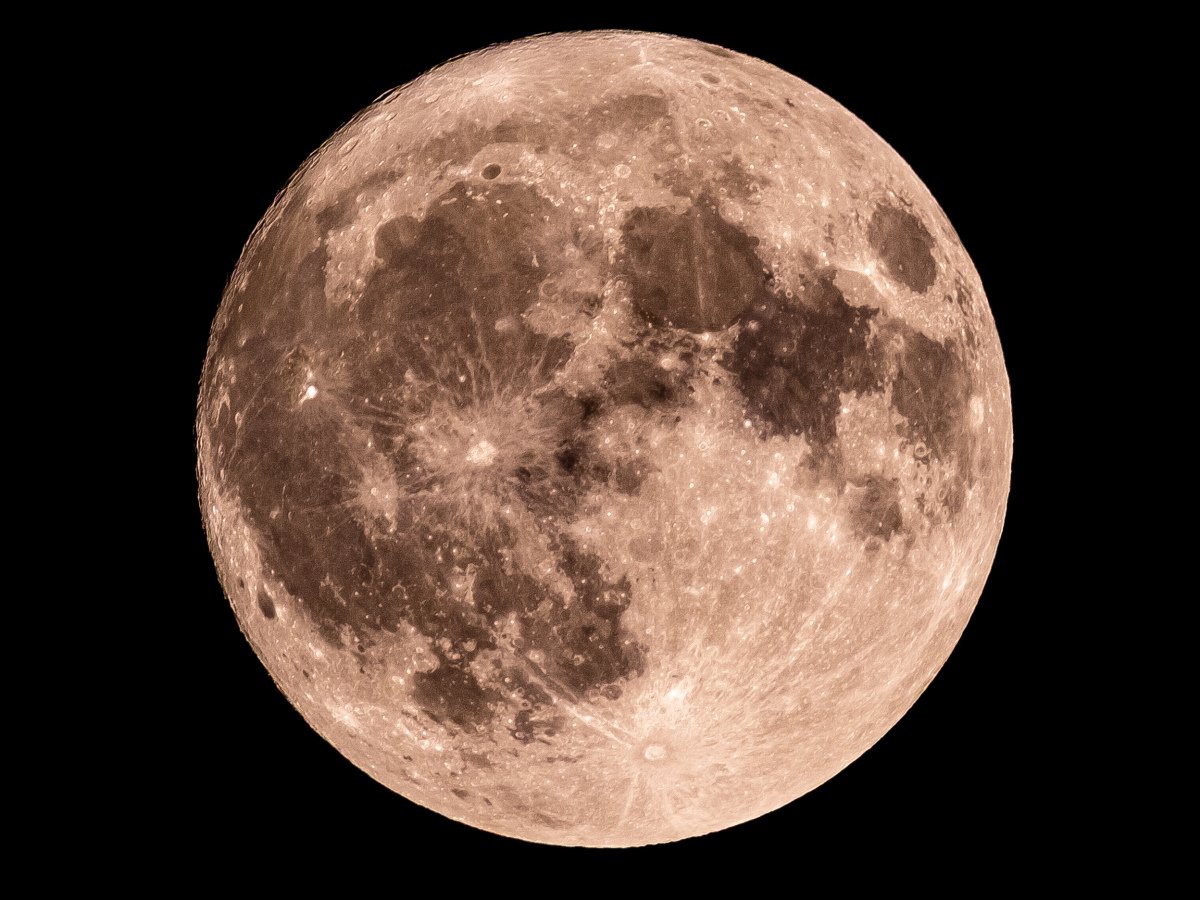
It’s day 19 of the lunar cycle, nearing the Third Quarter phase. The moon will decrease in size each night until it vanishes, signaling the New Moon. But what’s occurring tonight, on day 19? Continue reading to discover.
What is the current moon phase?
As of Tuesday, Dec. 9, the moon phase is Waning Gibbous. This indicates that 73% of the moon is lit tonight, according to NASA’s Daily Moon Observation.
Over half of the moon is visible, providing ample surface features to observe. Without any visual tools, look for the Mare Tranquillitatis, Tycho Crater, and Oceanus Procellarum. Using binoculars, explore the Gassendi Crater, Clavius Crater, and the Alps Mountains. For dedicated moon observation with a telescope, examine these along with the Apollo 15 and 16 landing sites and the Reiner Gamma.
When is the upcoming full moon?
The subsequent full moon will occur on Jan. 3.
What are the phases of the moon?
NASA clarifies that the lunar cycle, lasting about 29.5 days, consists of the Moon’s phases, depicting its appearance from Earth as it travels around us. We always see the same side of the Moon, but sunlight shifts across its surface throughout its orbit. This fluctuating illumination causes the Moon to look full, half-illuminated, or unseen. The cycle comprises eight phases:
New Moon – The moon is situated between Earth and the sun, making the side we observe dark.
Waxing Crescent – A small portion of light is visible on the right side (Northern Hemisphere).
First Quarter – Half of the moon is illuminated on the right side, resembling a half-moon.
Waxing Gibbous – More than half is lit, but it is not full yet.
Full Moon – The entire surface of the moon is lit and entirely visible.
Waning Gibbous – The moon begins to lose light on the right side (Northern Hemisphere).
Third Quarter (or Last Quarter) – Another half-moon, but the left side is illuminated.
Waning Crescent – A slim sliver of light persists on the left side before it becomes dark once more.