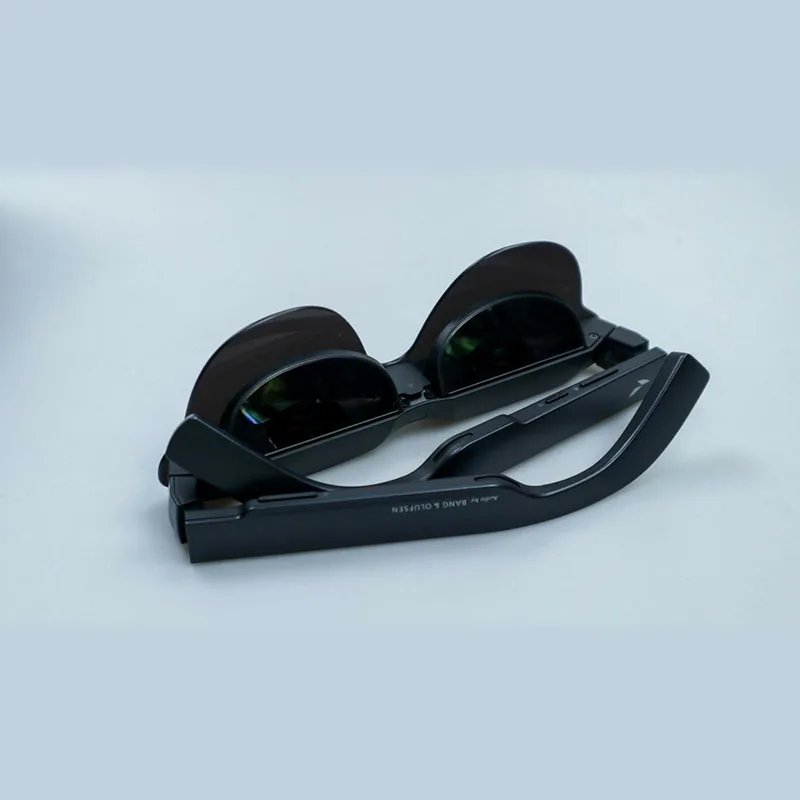
I had the opportunity to check out a variety of remarkable smart glasses at CES 2026, and one of the most notable pairs is now on the market. On Friday, TCL unveiled the new RayNeo Air 4 Pro AR/XR glasses priced at $299, with an introductory discount of $50 for early buyers. These glasses are equipped with dual Micro-OLED displays ideal for watching movies and gaming.
These smart glasses are the first in the world to offer HDR10 support, generating a virtual screen that reaches up to 201 inches. They are brighter and more vibrant than other smart glasses I’ve tried, including the well-known Xreal One Pro AR glasses, which are priced at $650. With its innovative display and a price tag of $299, the RayNeo Air 4 Pro appeared ready to shake up the industry.
However, after spending additional time with the RayNeo Air 4 Pro, they aren’t as much of a challenge for Xreal as originally believed. Nonetheless, $299 smart glasses with an impressive micro-OLED display are tough to overlook. When it comes to gaming and movie watching, the RayNeo Air 4 Pro currently holds a top position in the market.
What are the RayNeo Air 4 Pro AR Glasses?
The Air 4 Pro are augmented reality glasses designed to connect with a smartphone, laptop, gaming handheld, or other devices. Simply plug them into any compatible device, and they are ready to use instantly—no further setup required. They need a continuous connection via USB-C cable, eliminating concerns about battery life.
With dual micro-OLED displays, these glasses form a virtual screen directly in front of you. When linked to a laptop, it serves as a secondary monitor, and when used with a smartphone, it replicates the device’s display. Although often intended for productivity, the RayNeo Air 4 Pro is tailored specifically for entertainment.
TCL states, “RayNeo Air 4 Pro is like a television you can wear on your head…With Air 4 Pro, you can enjoy an IMAX-level private cinema in a crowded subway, a large-screen working environment during business trips, or an immersive gaming experience during breaks.”
The OLED displays are HDR10 compatible with refresh rates of 60 Hz or 120 Hz.
The RayNeo Air 4 Pro AR/XR glasses: By the numbers
Style: Augmented reality smart glasses
Display: 0.6-inch micro-OLED display
Screen size: 201 inches
Brightness: Up to 1,200 nits
Resolution: 1920×1080
Refresh rate: 60 Hz, 120 Hz
Color accuracy: ΔE
Sound: Bang & Olufsen surround sound (4 speakers)
Weight: 76 grams
Regarding fit and comfort, they are slightly lighter than Viture and Xreal glasses but heavier than display glasses like Even Realities G2. They can fit awkwardly on larger faces, necessitating adjustments to maintain the virtual screen in view.
The best smart glasses for entertainment
I’ve thoroughly evaluated the Xreal One Pro smart glasses, regarded as the top AR glasses at the moment. However, the One Pro excels in mobile work, while the new RayNeo AR/XR glasses are designed with advanced display and audio in mind.
The audio quality is commendable for smart glasses, though it doesn’t match that of the best wireless earbuds. Sound leakage is minimal. Viewing movies, TV series, and YouTube videos was enjoyable, but some technical issues arose. When connected to my MacBook, the RayNeo Air 4 Pro did not play audio through the MacBook speakers, which seemed to be an Apple-related issue.
The display is striking. In comparison to other AR glasses, color accuracy, motion blur, sharpness, and brightness are exceptional, particularly brightness. The RayNeo provides 1,200 nits, while the latest Xreal 1S AR glasses can only reach 700 nits. They also feature built-in eye protection (3840Hz PWM dimming) to reduce eye fatigue.
However, there are disadvantages. A flicker effect was evident, which was somewhat distracting but not a deal-breaker. The display was sometimes tough to keep in sight, likely due to having a larger head size. Adjusting the lens angle and nose guard helped, but the screen occasionally became blurred or vanished.
Ultimately, you receive a 201-inch virtual screen for watching movies while traveling, in bed, or when there’s no TV available. It’s like having an OLED TV on your head.
The $299 question: Do you wish to wear an OLED TV on your face?
An impressive display, but at a price
The new RayNeo glasses lack some pivotal features. With Xreal glasses, you can modify the virtual screen size, angle, and distance, activate a curved, ultra-wide display mode, and secure the display in your line of sight. RayNeo’s display shifts with your movement, and reflections on the back of the glasses can be disruptive.
TCL highlights a forthcoming immersive 3D feature intended to transform 2D photos and videos into 3D, although it is not available yet. Xreal’s 3D conversion feature is operational and remarkable.
Are the TCL RayNeo Air 4 Pro worth it?
For early adopters interested