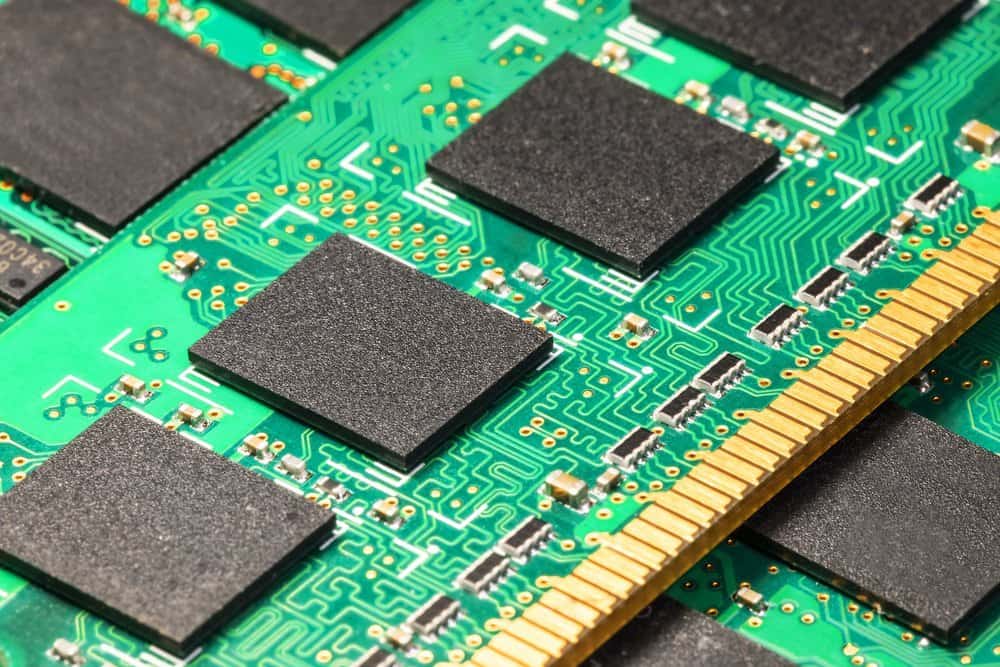
The rise of artificial intelligence has become unavoidable, influencing even those who do not engage with AI on a daily basis. This is particularly evident in the personal computer market, especially with laptops and smartphones. A worldwide memory deficit has emerged, primarily due to the swift expansion of AI data centers and their substantial requirements for components. This has resulted in a scarcity of vital hardware such as dynamic random access memory (DRAM), Samsung DDR5 RAM, and SSDs. As a result, smartphone costs might increase by 6.9 percent in 2026, as stated by CNBC.
Samsung has allegedly increased the contract price of DDR5 memory drives twofold. At the same time, Framework, recognized for its repairable, enthusiast-oriented devices, has also raised the prices of these components by the same margin. With the escalation in memory hardware prices, device producers are expected to transfer these expenses to consumers, according to experts.
Samsung is not the sole brand impacted by the memory crisis. HP has declared intentions to elevate PC prices next year due to a lack of memory, as reported by PCMag. Lenovo and Dell are experiencing comparable challenges, as noted by PC Gamer. The RAM shortage is so acute that analysts forecast laptop manufacturers may need to offer more lower-performance 8GB RAM laptops in 2026 out of necessity, placing consumers at a disadvantage.
There appears to be no resolution in sight for this predicament. Despite apprehensions regarding an AI bubble, the sector shows no indications of deceleration. The appetite for additional data centers may persist indefinitely. Thus, if you intend to purchase a new laptop, PC, or PC components, it is wise to move swiftly, as DDR5 RAM prices could see substantial increases in the months ahead.