Tesla has filed a significant patent in both the U.S. and Europe for a novel car roof design. On December 4, Tesla submitted U.S. patent application 2025/0368267, which outlines a “Vehicle Roof Assembly with Integrated RF Transparency for Electronic Module Consolidation.” First noted by X user Chansoo Byeon, this patent has fueled speculation that Tesla may incorporate Starlink satellites into its electric vehicles.
An online version of the patent registered with the European Patent Office features illustrations of the proposed roof assembly, alongside a comprehensive description and a list of possible components. The U.S. variant of the patent is cataloged by Google but is currently not accessible via web browsers. The patent description reveals:
An example vehicle roof assembly is presented, consisting of an outer roof panel crafted from radio frequency (RF) transparent polymer materials, such as Polycarbonate (PC), Acrylonitrile Butadiene Styrene (ABS), or Acrylonitrile Styrene Acrylate (ASA). In certain instances, this assembly supports the integration of overhead electrical modules and components, including antennae, directly into the roof architecture, enabling seamless communication with external devices and satellites. The design incorporates a membrane effect for improved occupant protection during collisions, and the inclusion of integrated foams between the outer roof and inner headliner enhances thermal and acoustic insulation.
Why is this significant?
Tesla vehicles already link to cellular networks, but the addition of Starlink antennas directly in its vehicles could grant drivers internet access nearly everywhere. Electrek reports that metal and glass roofs in modern vehicles can obstruct satellite radio signals. The new roof design permits RF signals to penetrate the roof membrane and may incorporate a satellite antenna.
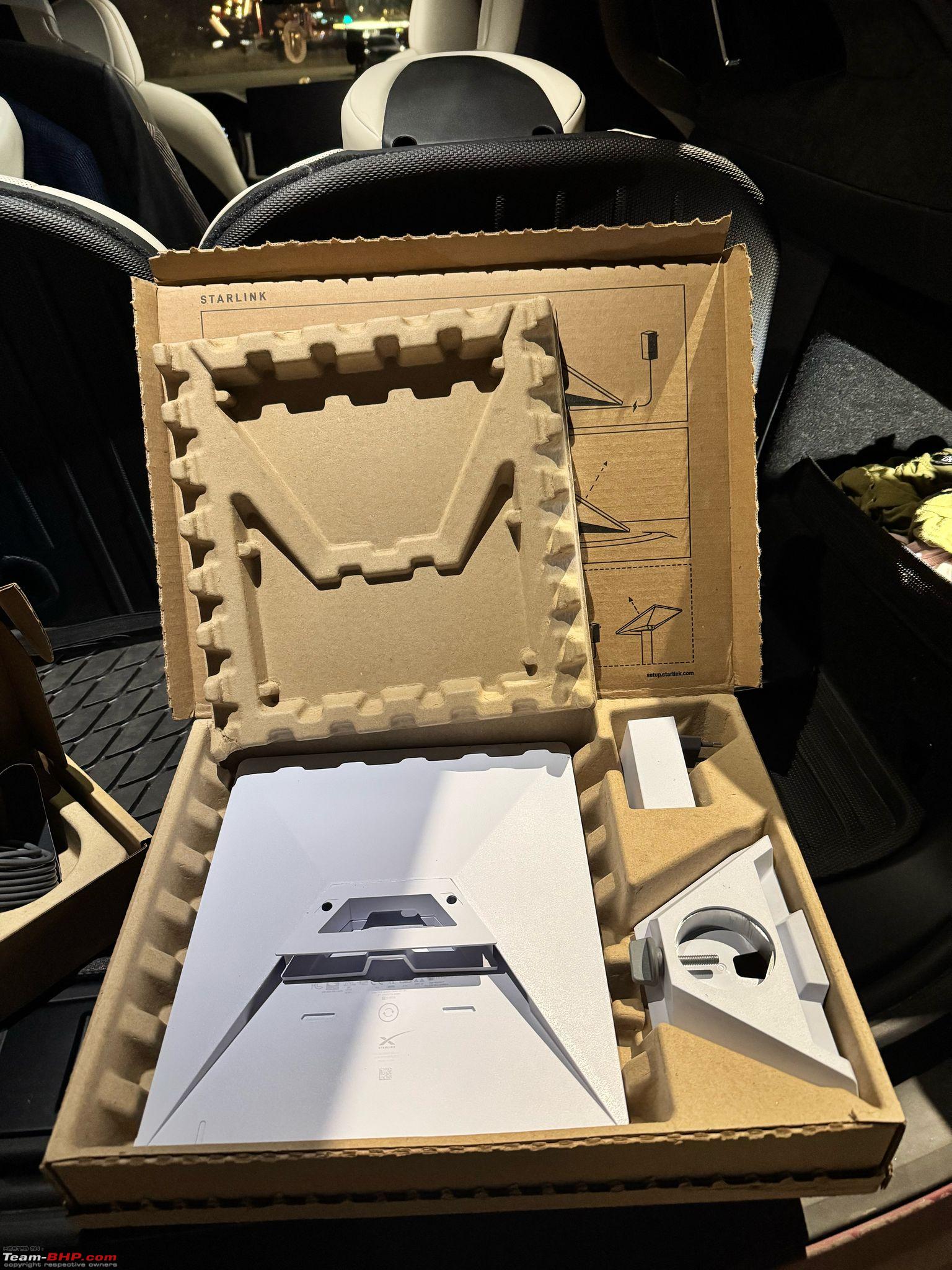
Electrek notes that several Tesla owners have already retrofitted their vehicles with Starlink Mini dishes, suggesting a potential market for satellite-enabled electric vehicles. With both 5G cellular and satellite internet capabilities, Tesla vehicles would offer superior connectivity relative to other vehicles on the road.
However, the patent application does not specifically mention Starlink, and Tesla has not disclosed plans to merge its EVs with Starlink. Companies frequently file patents for innovations that may never enter production. Nevertheless, it provides an exciting insight into the possible future of connected automobiles.