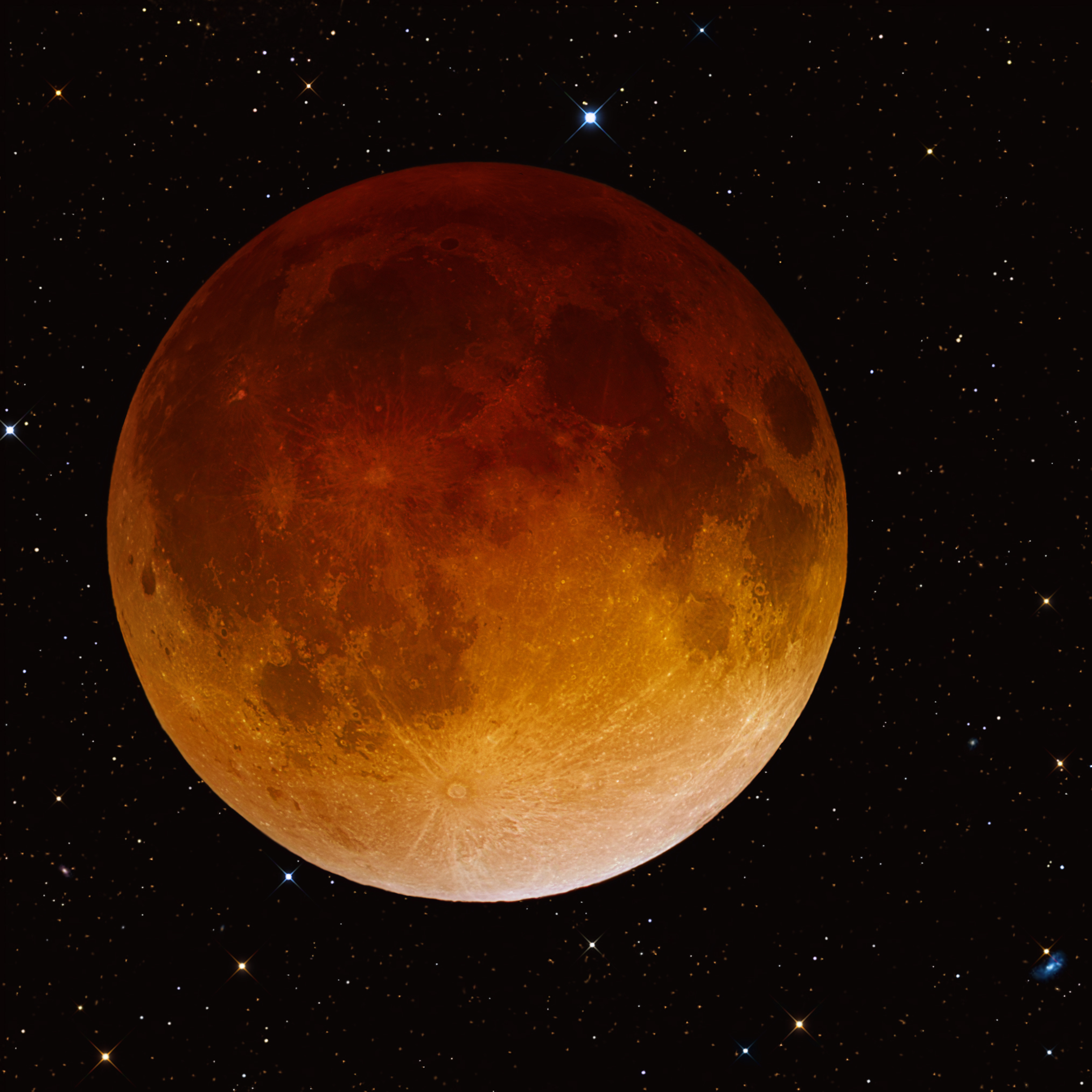
The visibility of the moon diminishes each night as we move closer to the New Moon. Before long, the sky will be devoid of the moon, but for now, here’s what to observe tonight.
What is the current moon phase?
On Sunday, Dec. 7, the moon phase is Waning Gibbous, showing 90% visibility, as per NASA’s Daily Moon Observation.
It is the 17th day of the lunar cycle, and no tools are necessary to spot the Serenitatis and Tranquillitatis mares. Using binoculars, you can see the Gassendi Crater, Endymion Crater, and the Apennine Mountains. A telescope will uncover the Apollo 12 landing site, Rupes Altai, and the Linne Crater.
When is the upcoming full moon?
The next full moon occurs on Jan. 3.
What are the phases of the moon?
NASA explains that the lunar cycle, which lasts approximately 29.5 days, includes phases representing the Moon’s appearance from Earth’s perspective. We see the same hemisphere always, but sunlight on its surface varies as it travels in its orbit. This changing illumination causes the Moon to seem full, half, or completely dark. There are eight phases in the cycle:
New Moon – The moon is situated between the Earth and the sun, rendering it invisible.
Waxing Crescent – A slight illumination appears on the right side (Northern Hemisphere).
First Quarter – One half of the moon is illuminated on the right, resembling a half-moon.
Waxing Gibbous – More than half is illuminated, but not entirely.
Full Moon – The entire face of the moon is lit up.
Waning Gibbous – Illumination decreases on the right side (Northern Hemisphere).
Third Quarter (or Last Quarter) – Another half-moon, with the left side illuminated.
Waning Crescent – A slender light persists on the left before the darkness returns.