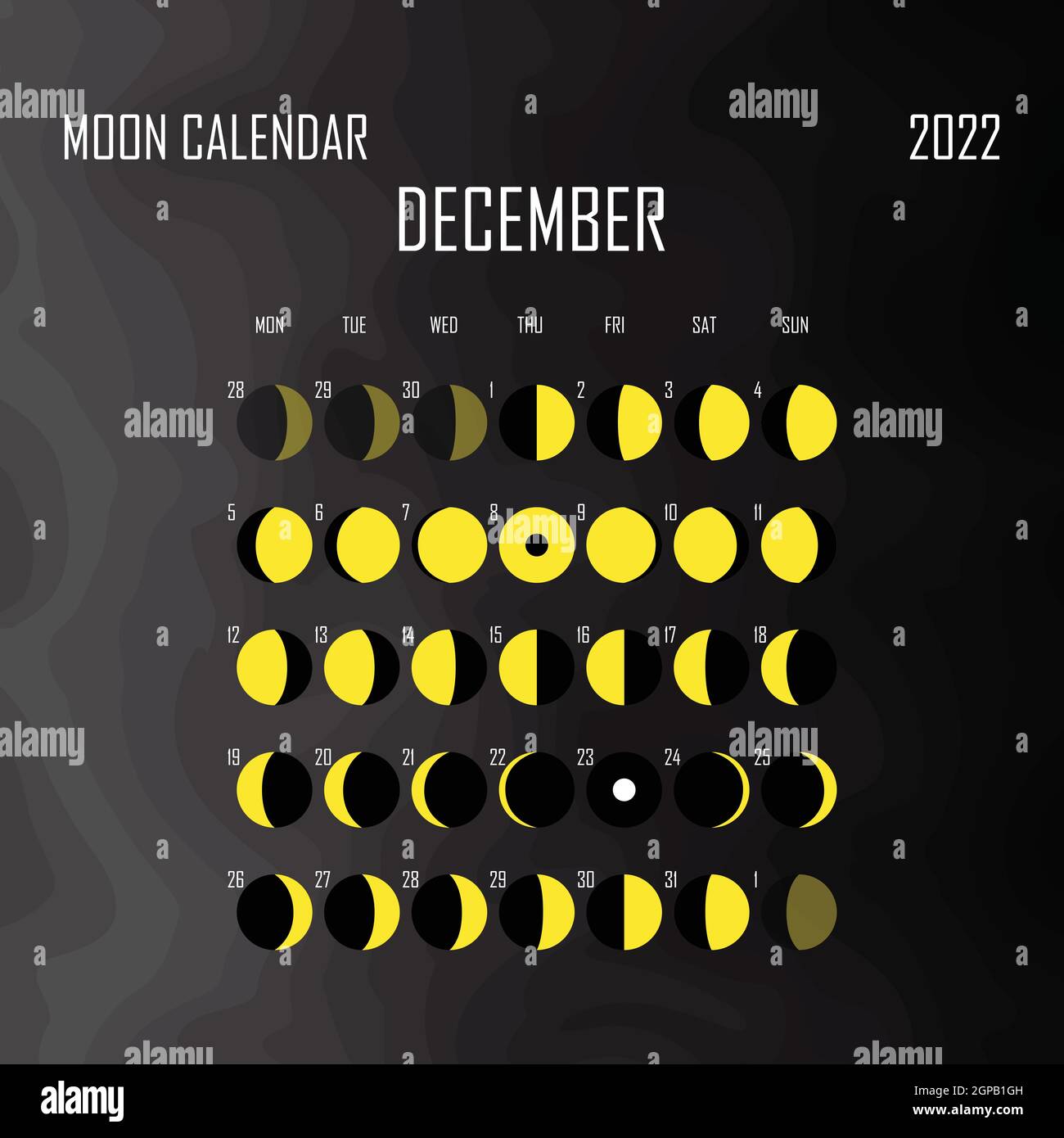
We have reached the concluding phase of the lunar cycle leading up to the New Moon. This signifies that the moon’s visibility will diminish night by night until it completely vanishes. Keep reading to discover what this signifies for the moon tonight.
What is the moon phase for today?
As of Friday, Dec. 12, the current moon phase is Waning Crescent. This means that 43% of the moon is illuminated this evening, according to NASA’s Daily Moon Observation.
Even without any aids, the Mare Imbrium, Aristarchus Plateau, and Copernicus Crater are visible when you gaze up tonight. With binoculars, you will also be able to see the Grimaldi Basin, Clavius Crater, and Archimedes Crater. With a telescope, Reiner Gamma, Schiller Crater, and the Apollo 14 landing site will also come into view.
When will the next full moon be?
The next full moon is anticipated on Jan. 3.
What are the phases of the moon?
NASA clarifies that the Moon experiences a cycle lasting about 29.5 days, during which we witness its different phases. Although we consistently observe the same side of the Moon, the sunlight that hits it alters as it travels around Earth. This causes it to seem full, half-lit, or at times completely obscured. The cycle includes eight primary phases:
New Moon – The moon is located between Earth and the sun, resulting in the side visible to us being dark (invisible).
Waxing Crescent – A small sliver of illumination appears on the right side (Northern Hemisphere).
First Quarter – Half of the moon is lit on the right side, resembling a half-moon.
Waxing Gibbous – More than half is illuminated, but it is not yet at full brightness.
Full Moon – The entire surface of the moon is lit and fully visible.
Waning Gibbous – The moon starts to lose brightness on the right side (Northern Hemisphere).
Third Quarter (or Last Quarter) – Another half-moon, but now the left side is illuminated.
Waning Crescent – A narrow sliver of light lingers on the left side before it goes dark once more.