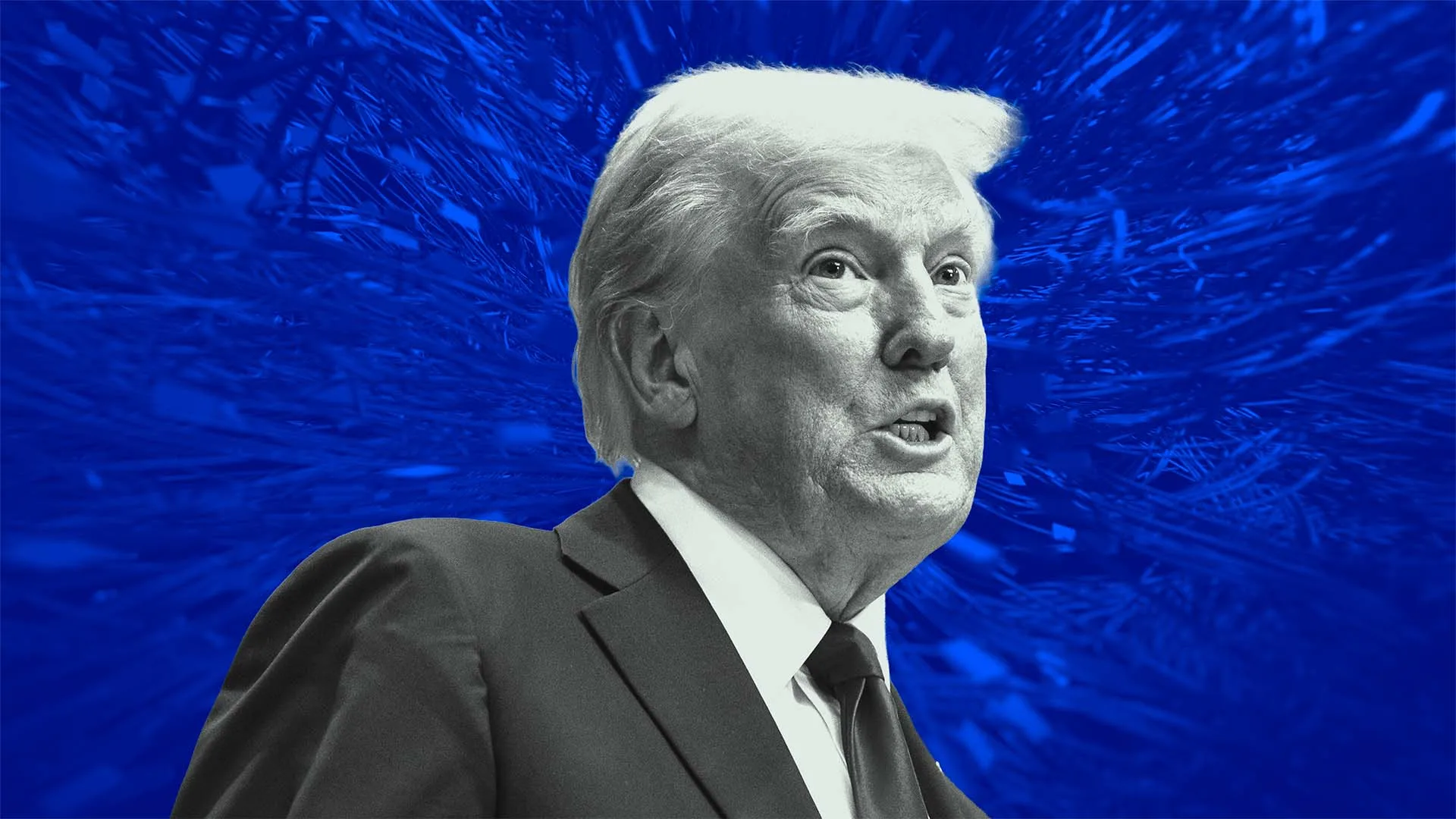
AI is still primarily unregulated at the federal level, but 2025 marked a turning point as U.S. states started to tackle the matter. States such as California and New York passed legislation requiring transparency, protections for whistleblowers, and measures to protect teenage users from AI firms. Proponents of unfettered AI expansion contend that state regulations might obstruct advancement and favor China. President Donald Trump enacted an executive order aimed at centralizing AI oversight, advocating for a “national framework” and denouncing state laws as hindrances. This order threatens to cut federal funding to states with stringent AI regulations and links state grants to adherence to the national policy. The executive order was crafted with contributions from David Sacks, a tech venture capitalist and special advisor on AI and cryptocurrency, whose investments stand to gain from the initiative. Michael Kleinman from the Future of Life Institute criticized the order, pointing out the absence of regulation in AI compared to other sectors. OpenAI, the developer of ChatGPT, is grappling with lawsuits from families of teens who took their lives after using the chatbot, with the company refuting any liability. The order underscores the importance of safeguarding children. On the same day, child safety organizations issued a PSA cautioning about the dangers of AI chatbots for children, urging states to continue AI regulation efforts. Previously, Trump’s One Big Beautiful Bill Act attempted to prohibit state-level AI regulation for a decade, a proposition that faced opposition from Republican Congresswoman Marjorie Taylor Greene. The moratorium was unpopular and was ultimately quashed in the Senate with a staggering 99-1 vote. Some MAGA supporters, including Steve Bannon, resist regulation led by the industry. The executive order’s acceptance and legal effectiveness remain questionable.